Rapid Skill Acquisition: How to Learn Anything in 20 Hours
Reaching basic competence in a new skill does not require 10,000 hours. By deconstructing a skill, removing distractions, and self-correcting through 20 hours of deliberate practice, you can quickly become reasonably good at almost anything.
30-second summary
The widely cited 10,000-hour rule applies to achieving world-class expertise in elite fields, not to gaining everyday competence. The rapid skill acquisition method proves that going from complete incompetence to reasonable skill takes about 20 hours of focused effort—roughly 45 minutes a day for a month. By breaking skills down, learning just enough to correct errors, and pushing past initial frustration, anyone can master new abilities rapidly.
The 4-Step Rapid Skill Acquisition Method
A practical 4-step system to rapidly acquire any skill through 20 hours of targeted practice.
1. Deconstruct the Skill
Break a target skill down into its smallest sub-skills. Identify the specific sub-skills that contribute most directly to your desired outcome and focus on practicing those first.
2. Learn Enough to Self-Correct
Gather 3 to 5 reference materials, but only consume enough information to recognize and correct your own mistakes during practice. Avoid using research as a tool for procrastination.
3. Remove Practice Barriers
Eliminate physical, technical, and mental distractions—such as television, smartphone notifications, or missing tools—that create friction before you sit down to practice.
4. Practice for at Least 20 Hours
Pre-commit to at least 20 hours of practice before starting. This pre-commitment ensures you push through the initial frustration barrier when feeling incompetent feels most uncomfortable.
Core concepts
The 10,000-Hour Rule Misconception
K. Anders Ericsson's research showed it takes 10,000 hours to reach the top tier of ultra-competitive fields like grandmaster chess or professional violin. Popular culture conflated world-class expertise with basic skill acquisition, but reaching reasonable competence actually takes only 20 hours.
Josh Kaufman’s 20-hour ukulele experiment
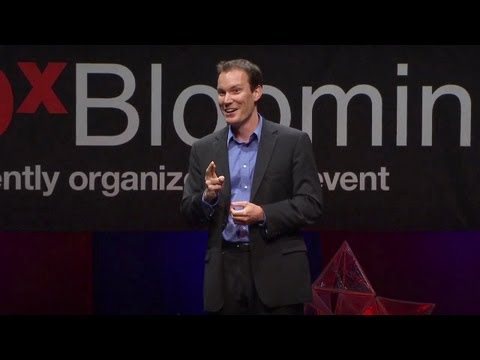
Josh Kaufman wanted to test whether 20 hours of deliberate practice could take someone from total incompetence to functional ability on an instrument. He chose the ukulele, acquired an electric model, and learned how to tune it properly. Rather than studying hundreds of musical chords, he focused exclusively on four core chords used in popular songs. By managing his practice time and removing distractions, he learned to play a full pop song medley. He revealed on stage that his live TEDx performance was literally his 20th hour of practice.
The Emotional Barrier to Learning
The primary obstacle to learning something new is emotional, not intellectual. People dread feeling incompetent or foolish during the early stages of practice, which causes them to quit before reaching the fast payoff stage of the learning curve.
5-minute action
Set Up Your First 20-Hour Practice Plan
- Choose a skill you want to learn and write down the exact level of performance you wish to achieve.
- Deconstruct the skill into smaller sub-skills and pick 1 to 3 core elements to focus on first.
- Remove top physical and digital distractions in your environment and commit to your first practice session.
ExampleIf learning conversational Spanish, deconstruct it to 100 common words, silence your phone, and practice speaking key phrases aloud for 45 minutes.
Timer