Building Self-Confidence as a Trainable Skill
Self-confidence is a trainable skill built through deliberate repetition, protective self-talk, and choosing to focus on positive feedback.
30-second summary
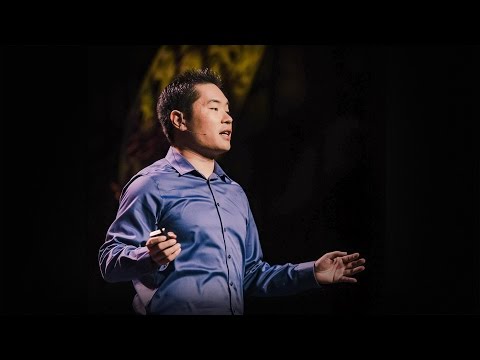
Dr. Ivan Joseph explains that self-confidence is the single most vital skill for performance in athletics, career, and life. Rather than being an innate trait, confidence can be systematically developed through persistent repetition and positive self-affirmation. By intentionally framing internal dialogue and acknowledging what goes well, individuals protect their self-belief against external doubt and failure.
Framework: Four Pillars of Self-Confidence
A practical framework for cultivating resilient self-belief through practice, mindset control, positive reinforcement, and subjective interpretation of results.
Repetition and Persistence
True confidence comes from performing an action so many times that the task is no longer novel and high-pressure situations feel routine. Crucially, repetition requires persistence through early failure rather than quitting at the first sign of adversity.
Example from the video
A recruited college soccer goalkeeper struggled with basic catching mechanics until he committed to kicking a ball against a wall and catching it 350 times a day for eight months, transforming his hands and eventually playing professionally.
Positive Self-Talk and Affirmations
Internal thoughts directly drive actions. Replacing automatic negative self-criticism with deliberate personal affirmations prevents self-sabotage and reinforces self-worth before external pressure mounts.
Example from the video
Dr. Joseph created a personal 'brag sheet' letter detailing his achievements and strengths, reading it daily for weeks when starting a challenging athletic director role to combat imposter syndrome.
Reinforce Success Over Error
Coaches, educators, and leaders often tear down confidence by constantly pointing out mistakes. Highlighting and praising correct execution builds confidence faster and solidifies good habits far more effectively than hyper-focusing on errors.
Intentional Interpretation of Feedback
Confident individuals do not allow negative outcomes or rejections to define their capabilities. They choose interpretations that maintain self-belief and motivate continued effort toward their goals.
7-minute action
Create a Personal Confidence Letter
- Write down a 1-page list of your proudest achievements, challenges you overcame, and positive qualities.
- Place the letter somewhere accessible, such as next to your bathroom mirror or in a dedicated notebook.
- Read the letter during moments of self-doubt or high pressure to reset your internal dialogue.
Example from the videoList milestones like earning a degree, personal obstacles handled with grit, or key professional accomplishments.
Timer
Next