How to Build Self-Confidence as a Trainable Skill
Self-confidence is not an innate personality trait—it is a skill built through relentless repetition, positive self-talk, personal affirmations, and focusing on successful execution.
30-second summary
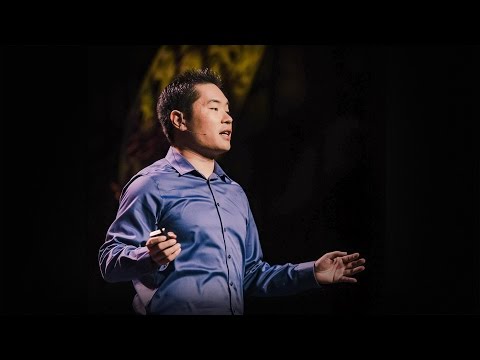
Dr. Ivan Joseph explains that self-confidence is a trainable skill defined by believing in your ability to accomplish tasks regardless of the odds. To build it in yourself, rely on persistent repetition, counter negative self-talk with affirmations, and keep a personal letter detailing past achievements. To foster confidence in others, praise positive execution rather than dwelling on mistakes, and intentionally choose empowering interpretations of feedback.
Core concepts
Self-Confidence Is a Trainable Skill
Self-confidence is the belief in your ability to accomplish any task regardless of the odds, difficulty, or adversity. It is not an inherent trait reserved for a lucky few, but a skill that can be trained and strengthened through deliberate practice.
Repetition and Persistence
Confidence develops from familiarity. Executing a task repeatedly removes novelty and reduces anxiety under pressure. True confidence requires persistence through early failures and rejections, refusing to accept setbacks as final.
The Colombian goalkeeper's wall drills
Dr. Joseph recruited a talented goalkeeper from Colombia who initially struggled with catching the ball during training. To build his skill, Joseph tasked him with kicking a ball against a wall and catching it 350 times a day for eight months. Through relentless repetition, the player developed calloused hands and mastered ball control. He eventually went on to play professional soccer in Europe.
Overcoming Negative Self-Talk
Quiet internal self-criticism erodes self-belief before a challenge even begins. Countering this negative mental tape requires practicing deliberate self-affirmations during quiet moments to condition the mind for resilience under pressure.
The Personal Self-Confidence Letter
During periods of high performance and clarity, write a letter to yourself listing your major accomplishments and proudest moments. Reading this letter during low points or major life transitions counteracts self-doubt and restores self-belief.
Catching People When They Are Good
Constant criticism demoralizes individuals and damages self-worth. To build confidence in athletes, students, or team members, ignore minor mistakes and explicitly praise correct execution to reinforce desired behaviors.
The Kansas State video review experiment
A study conducted at Kansas State tracked athletic performance using video review under two different approaches. Initially, coaches showed players videos highlighting their errors and explaining how to fix them, which produced modest results. Later, coaches changed strategy and showed players only the clips where they executed plays perfectly. Focusing exclusively on successful execution caused team performance to improve dramatically.
Empowering Interpretations of Feedback
Confident people choose how they interpret feedback and external responses. Instead of absorbing doubt or rejection, frame external circumstances and responses in ways that sustain your motivation and self-belief.
5-minute action
Write Your Personal Self-Confidence Letter
- Open a notebook and list 3 to 5 proud achievements or major hurdles you have successfully overcome.
- Write a brief letter to yourself acknowledging those successes and reaffirming your core strengths.
- Place the letter in an easily accessible spot to reread whenever you face high-stakes challenges or self-doubt.
ExampleDear Self, congratulations on earning your degree and navigating difficult career transitions. Remember that you are resilient, capable, and fully equipped to tackle upcoming challenges.
Timer